
Tier List
Savannah Life animal tier list: community rankings for hunting power, survivability and speed. See which predators and prey dominate the current savannah meta.
Introduction
Not every animal deserves your coin savings. This tier list ranks the Savannah Life roster for the current meta using three criteria the community actually cares about: hunting power for carnivores, survivability for everyone, and raw speed across open ground. The shape of the list follows the food chain — apex predators and nearly unkillable giants sit in S tier, dangerous but flawed fighters hold A, group-dependent species fill B, survivable-but-unthreatening animals sit in C, and the prey-tier picks round out D as chill roleplay options rather than competitive choices. Rankings shift after every animal update, and single-fight-versus-group-fight contexts matter: a Hyena alone is a B-tier brawler, but a Hyena pack hunts like an A-tier unit. Every placement comes with reasoning so you can disagree intelligently.
Current Meta Tier Rankings
| Tier | Animals | Why They Rank Here | Best Used For |
|---|---|---|---|
| S | Lion, Nile Crocodile, Bush Elephant | Unmatched killers or nearly unkillable giants | Winning fights and holding territory |
| A | Leopard, Hyena, Cheetah, Rhino | Dangerous predators and armored brawlers with exploitable weaknesses | Solo hunting and terrain control |
| B | Cape Buffalo, Giraffe, Wild Dog, Baboon, Hippo | Strong in groups or terrain, weaker alone | Group play and roleplay servers |
| C | Zebra, Warthog, Ostrich, Wildebeest, Porcupine | Survivable but rarely threatening | Defensive grinding and safe coins |
| D | Impala, Flamingo, Yellow Hornbill, Vulture | Prey-tier picks with minimal fight power | Chill roleplay and map learning |
Tier Breakdown Cards
S Tier
Unmatched killers and nearly unkillable giants.
A Tier
Dangerous predators and armored brawlers with exploitable flaws.
B Tier
Strong in groups or terrain, weaker alone.
C Tier
Survivable but rarely threatening picks.
D Tier
Prey-tier picks best for chill roleplay runs.
Core Mechanics
Tier placements come from three measurable pillars. Hunting power measures how reliably a species converts an encounter into a kill: the Lion's burst damage and the Crocodile's underwater grab end fights instantly, while the Vulture's peck barely registers. Survivability weighs bulk, escape options and armor: the Bush Elephant shrugs off prides, the Rhino's charge punishes pursuers, and the Impala's only defense is running. Speed separates the chase specialists — Cheetah and Ostrich own the open plains — from the plodders who must avoid them. Context modulates everything: group play lifts B-tier pack hunters a full tier, terrain turns the Leopard's climbing into a stealth weapon, and the day-night cycle changes which predators hold the advantage. The list is a starting point for your own server's meta, not a verdict.
Advantages
A current tier list saves you the most expensive mistake in Savannah Life: saving 20,000 coins for an animal that your playstyle will never make work. The rankings expose the value picks — free African Wild Dogs that out-hunt species costing thousands, the Porcupine's quill defense that punishes careless predators — and they set honest expectations for premium purchases before you commit evenings of grinding. Because placements include reasoning, you can adapt them to context: herbivore roleplayers can ignore carnivore rankings entirely, and group players know to add a tier to every pack species. When updates shift the meta, re-checking this page takes a minute and re-aligns your entire unlock plan.
Challenges
Community tier lists carry real uncertainty. Most rankings trace to community consensus rather than published statistics, and NOYO Productions does not release official stat tables, so numeric claims about damage or health are inference. Updates move the meta faster than any list can track — a new species like the Vulture may take weeks to settle into its true tier. Context also breaks simple rankings: a B-tier Hyena in a coordinated pack outperforms its solo rating, and server population changes which strengths matter. Treat every placement as a strong prior, not a law, and verify with your own fights before investing heavy savings.
Frequently Asked Questions
What is the best animal in Savannah Life right now?+
Is the tier list valid after every update?+
Why are free animals so low on the list?+
Quick Tips
Read tiers as context-dependent, not absolute. A Hyena is B tier alone but hunts like A tier inside a coordinated pack, and the Leopard climbs to near-A in woodland where its stealth shines. Before dismissing a species because of its letter, check whether your usual server population and group size change its placement.
Do not save for S tier at the expense of growth. A Bush Elephant purchased while you are still juvenile is weaker than an adult mid-tier animal, because growth stage multiplies every stat that matters in a fight. Time your unlock to land when your animal's growth has caught up with the price tag you paid.
Watch the C tier for economy picks rather than dismissing it. Zebra and Porcupine rarely win fights but survive almost everything, which makes them the safest grinding vehicles for players banking coins toward their first real predator. The savings you build in C tier are what eventually fund the S tier purchase.
Re-check the list after every new species drop. Animal updates have historically reshuffled at least one tier boundary, and new arrivals like the Vulture need community testing before their true placement settles. The players who adjust their unlock plans first after each update always save the most coins in the long run.
Featured
Savannah Life Best Animal for Coins: Top Earners Ranked
Find the savannah life best animal for coins with ranked earn rates, passive income stats, and which creatures actually pay off fastest on Roblox.
Savannah Life Best Carnivore: Predators Ranked & Compared
Find the savannah life best carnivore by ranking lions, crocs, and hyenas against each other, with stats and a verdict on which predator truly wins.
Savannah Life Lion vs Crocodile: Apex Predator Showdown
Watch the Savannah Life lion vs crocodile clash head to head, with stats, combat strengths, and a clear winner of this apex predator showdown.
All Articles
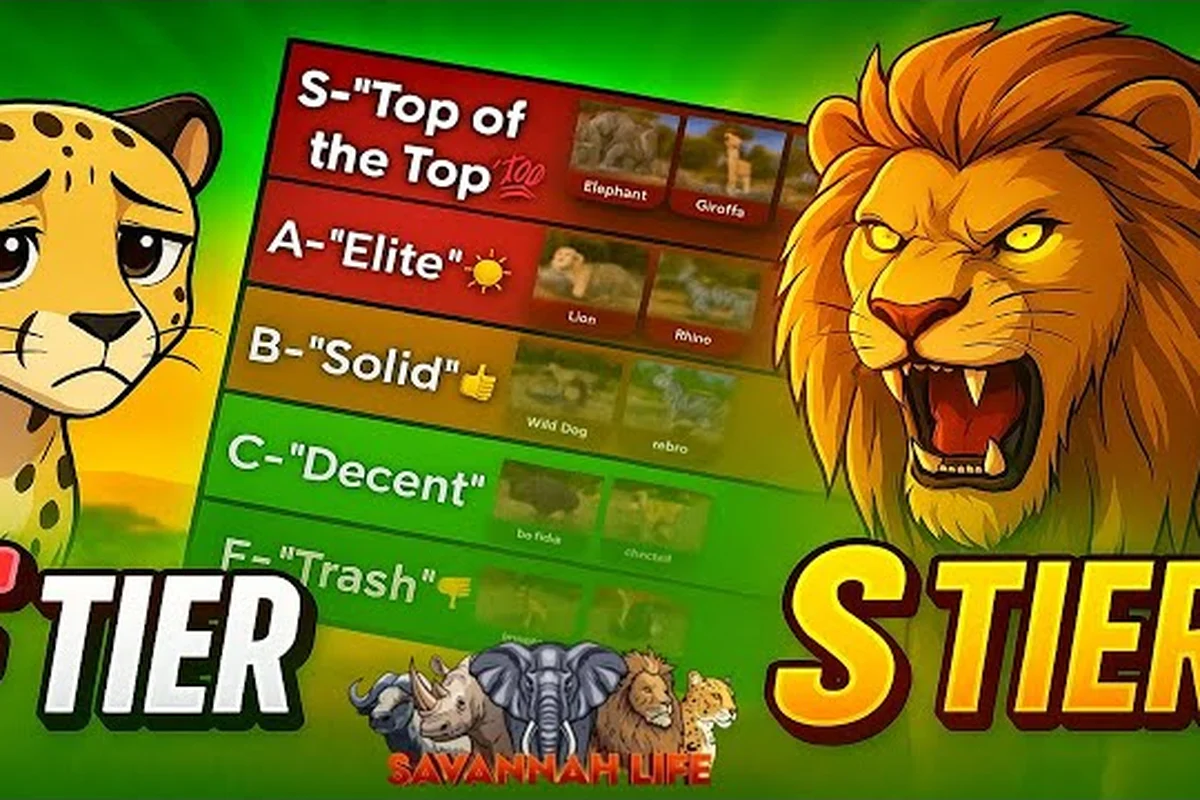
Savannah Life Tier List: Every Animal Ranked From S to D
Check the full savannah life tier list ranking every animal from S to D tier so you know which creatures dominate fights, farming, and survival on Roblox.
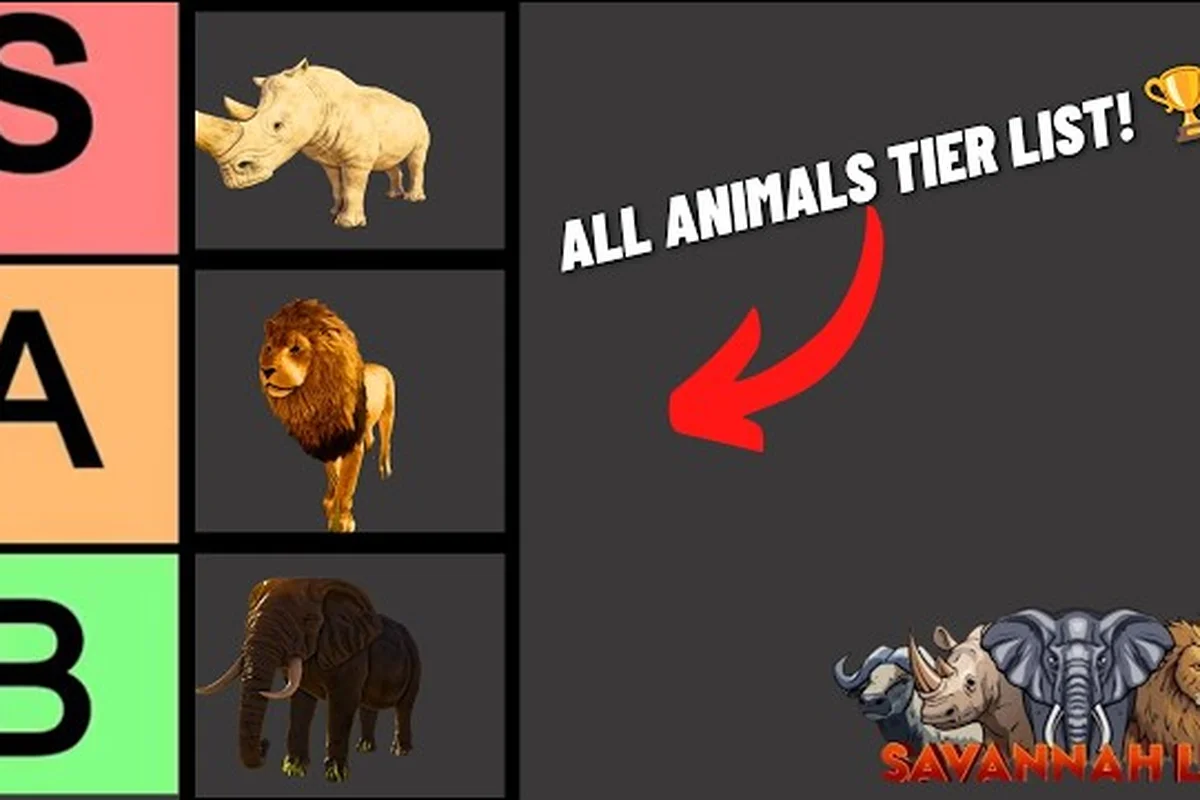
Savannah Life Which Animal Is the Best: Full Comparison
A side-by-side comparison of predators, tanks, and budget picks in Savannah Life so you can pick the best animal for your playstyle.
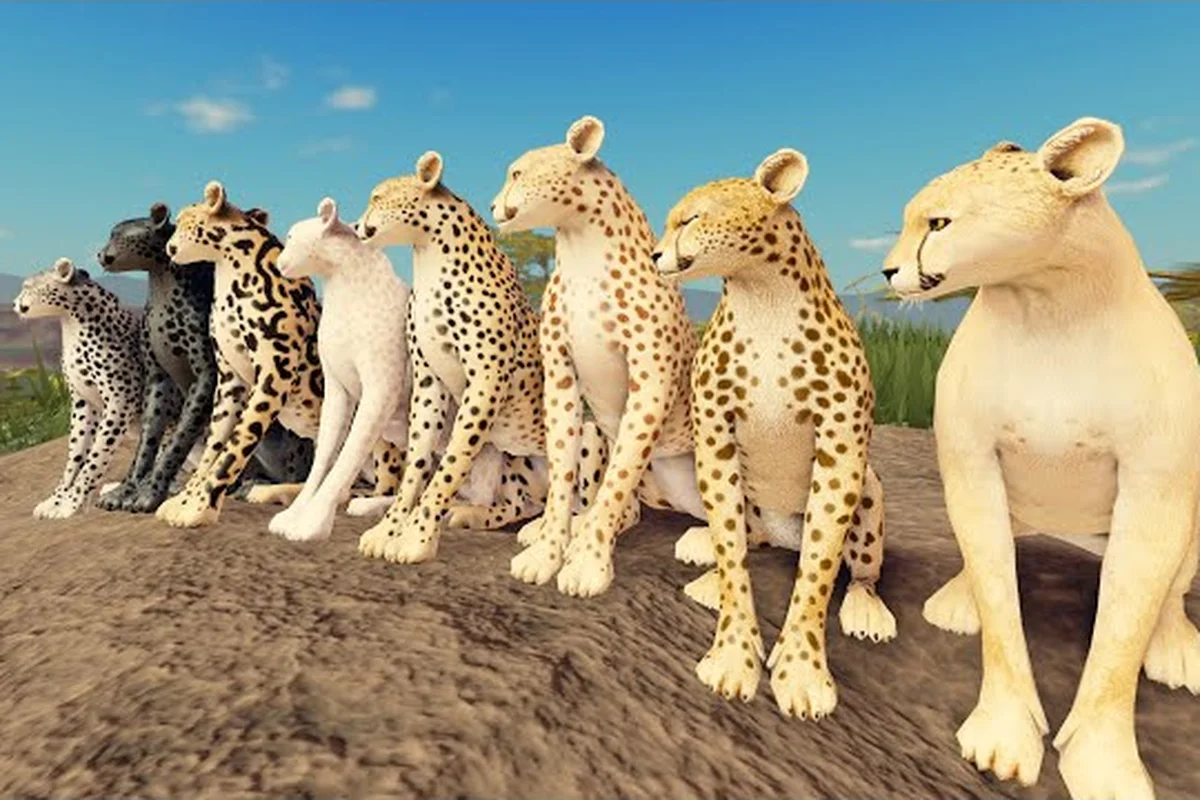
Savannah Life Is Cheetah Good: Speed, Power and Verdict
Find out savannah life is cheetah good with a clear look at speed, attack power, stamina, and a final verdict on whether the cat earns its keep in fights.