
Map Locations
Savannah Life map guide: watering holes where prey gathers, crocodile rivers, open plains, woodland cover and every region you need for Master Explorer.
Introduction
The savannah is a map of opportunities and traps, and reading it correctly is the difference between a long life and a short one. Watering holes are the map's busiest junctions — everyone must drink, which makes them prime hunting grounds and prime ambush zones in equal measure. The river belongs to the Nile Crocodile, whose underwater grab controls every crossing. Open plains are speed country where Cheetahs and Ostriches decide chases, woodland and rock formations give Leopards and Baboons their stealth terrain, and the burrow and den network offers Warthogs and Porcupines an escape reset that no pursuer can follow. This hub breaks down every region's danger profile, which species each terrain favors, and the routes that make the Impossible-rated Master Explorer badge actually finishable.
Region Danger & Usage Guide
| Region | Type | Danger | Best For |
|---|---|---|---|
| Watering Holes | Drinking junction | High | Fast drinking, prey spotting |
| River | Crocodile territory | Extreme | Crocodile ambush hunting |
| Open Plains | Sprinter ground | Medium | Cheetah and Ostrich chases |
| Woodland & Rocks | Cover terrain | Medium | Leopard stealth, Baboon climbs |
| Burrows & Dens | Shelter network | Low | Escape resets and resting |
Region Profile Cards
Watering Holes
The map's busiest junctions — and its favorite ambush zones.
River
Nile Crocodile territory — the deadliest zone on the map.
Open Plains
Sprinter country where raw speed decides every chase.
Woodland & Rocks
Leopard and Baboon habitat with climbable cover.
Burrows & Dens
Underground retreats that reset dangerous pursuits.
Core Mechanics
Map knowledge in Savannah Life works as a risk economy. Watering holes concentrate value: every animal needs them, so they offer the fastest drinking and the richest hunting, and their danger scales with exactly that traffic. The river raises the stakes further — the crocodile's grab ignores most prey defenses, making every crossing a calculated gamble and every drink at the bank a ten-second risk assessment. Open plains invert the equation: no cover means long sightlines where the fastest animal wins, which is ideal for Cheetahs and suicidal for grazers alone. Woodland compresses sightlines and rewards climbing species. The burrow network is the map's safety valve — underground retreats reset dangerous pursuits entirely. Master Explorer forces you through all of it, which is why the badge is rated Impossible: the last areas players visit are the ones every instinct says to avoid.
Advantages
Players who learn the geography convert map risk into income. Choosing drinking spots with clear sightlines and escape cuts cuts the watering hole's danger dramatically, and the same knowledge inverts for predators — a Lion pride that positions downwind of a busy junction eats every session. Terrain matching is free power: a Cheetah that fights only on plains and a Leopard that hunts only in woodland each punch above their tier. The burrow network makes C-tier grinding species viable, because an escape reset turns a death into a detour. And for badge hunters, region-by-region routing is the only realistic path to Master Explorer — the map page's checklist approach turns an Impossible rating into a weekend project.
Challenges
The map's dangers are structural and permanent. Watering hole risk never disappears — it only moves with server population, and a crowded junction at night is the deadliest place in the game. The river is worse: no herbivore improvement reduces the crocodile grab's lethality, so river-adjacent grinding stays expensive forever. Open plains offer no cover at all, meaning escape depends entirely on raw speed your species may not have. Master Explorer carries its own uncertainty — the complete area list is community-mapped rather than official, and some discovery triggers remain disputed. Finally, event weather reshuffles all of it: a thunderstorm turns open ground lethal and cover regions crowded, invalidating routes mid-session.
Frequently Asked Questions
Where do most players die in Savannah Life?+
How do I complete Master Explorer?+
Which terrain is safest for new players?+
Quick Tips
Treat every river bank as a crocodile dining table until proven otherwise. Scan the water surface for a full ten seconds before drinking, prefer fast shallow crossings where the current discourages ambushers, and never grind with your back to the current — the grab always comes from below, and it always comes fast.
Approach watering holes downwind and alert, every single time you visit one. The busiest junctions on the map are also its best hunting spots, and the players who drink face-first into the water never see the lion pride until the damage has already started. Your drink should take seconds, not minutes, and your eyes should never leave the treeline.
Match your species to its terrain deliberately instead of fighting wherever you happen to be. A Cheetah on plains, a Leopard in woodland and a Crocodile in the river are each effectively a full tier stronger than their stat line suggests, and fighting outside your terrain is exactly how A-tier animals lose fights to B-tier ones. Terrain is free power.
Use burrows as chase-reset buttons rather than map decoration. The underground network breaks pursuit completely, which turns the map's C-tier grinding species into viable coin earners even in predator-heavy servers. Memorize the burrow nearest to every route you run — it is the difference between a death and a detour. Reading the map correctly turns the savannah's dangers into structured, repeatable income.
Featured
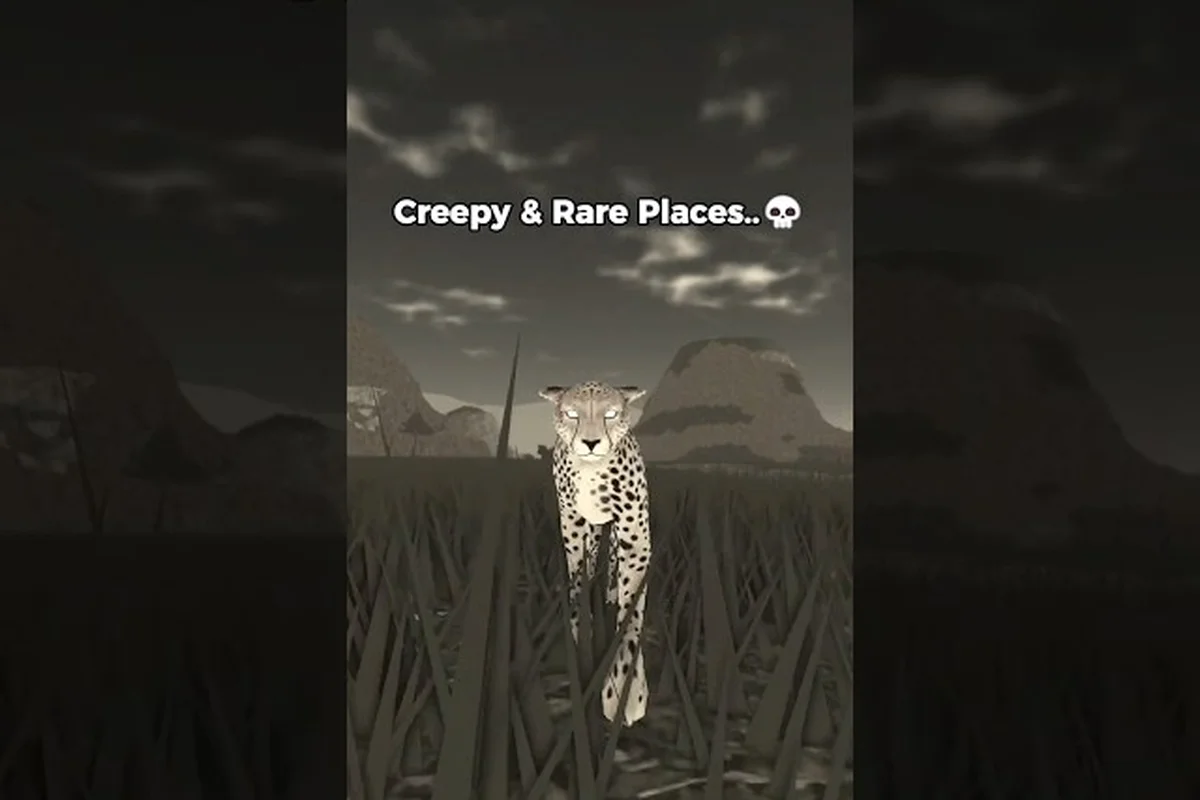
Savannah Life Kruger National Park: Terrain & Route Map
Tour the Savannah Life Kruger National Park map with a full terrain guide — see every region, the best camping spots, and the fastest travel routes.
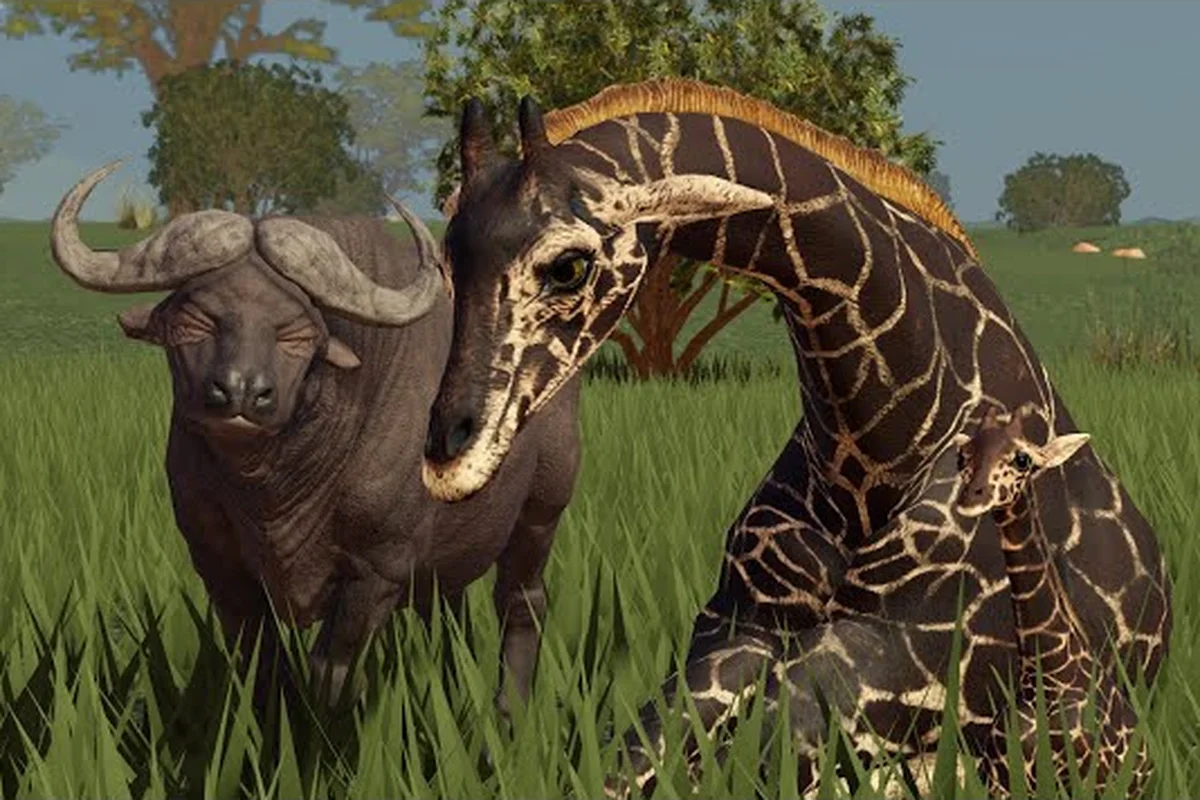
Savannah Life Map Guide: Every Region, Watering Hole & Den
Explore the full Savannah Life map guide covering every region, watering hole, river crocodile zone, and den location so you never get lost on the savannah.
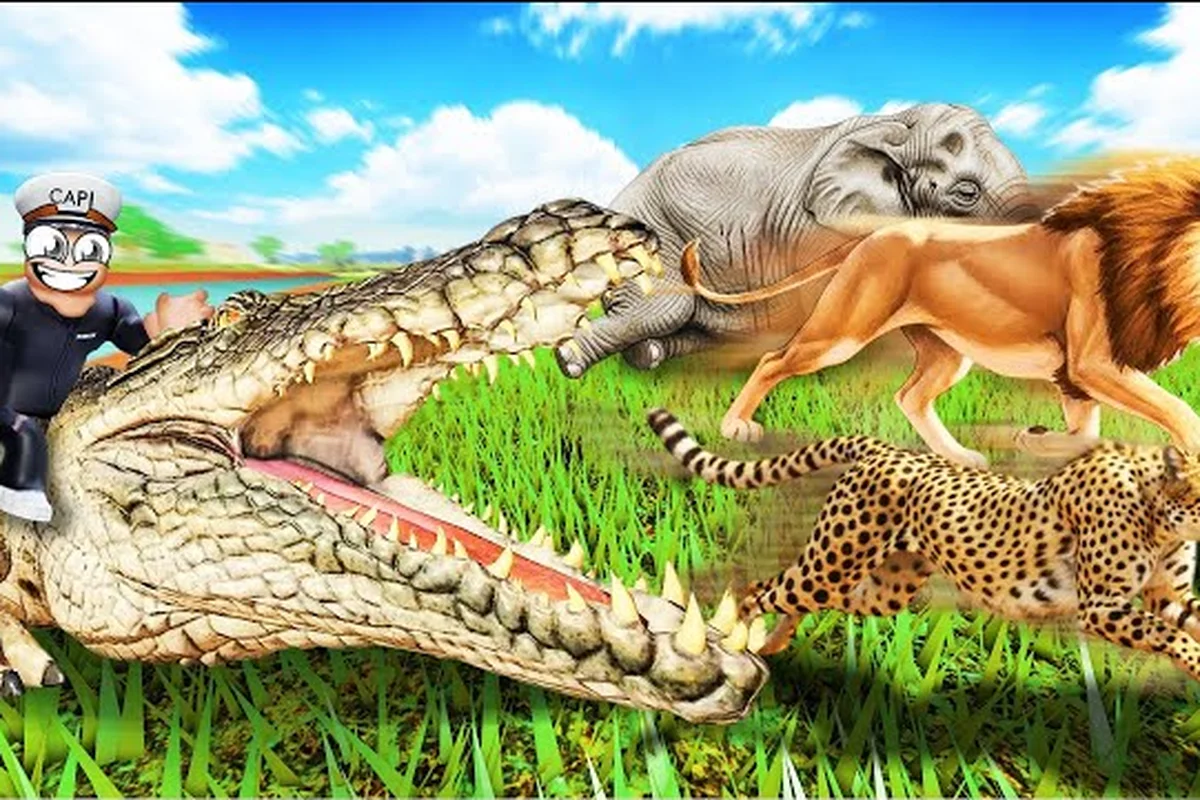
Savannah Life Where Do Crocodiles Spawn: River and Biome Map
Pin down savannah life where do crocodiles spawn with a full map of river points, hidden drinking spots, and the safest zones to cross in Roblox.
All Articles
Savannah Life River: Plains, Woodlands & Full Biome Map
Cross the Savannah Life river and every biome beyond it — see plains, grasslands, woodland, and rocky zones mapped out so you can plan your next hunt.
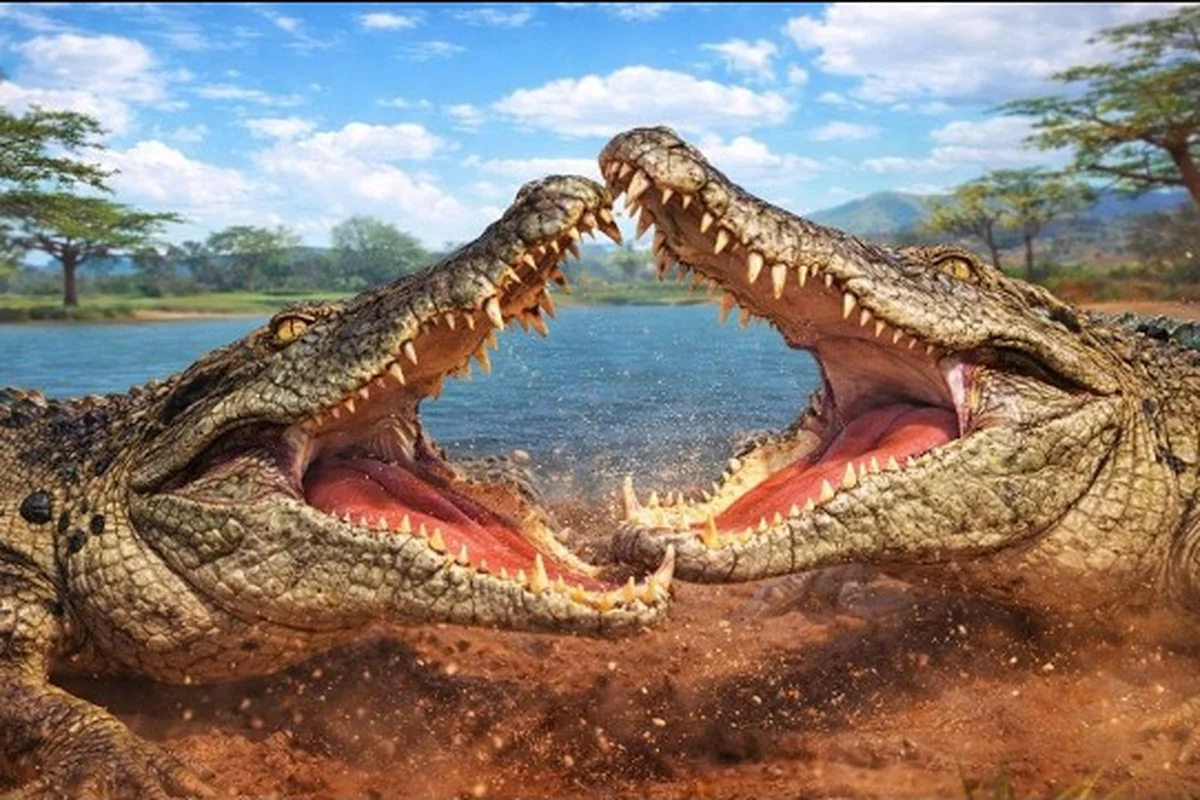
Savannah Life Territory Locations: Nests, Meat & Grass
Claim the best Savannah Life territory locations with a full map of nesting grounds, meat sources, and grass patches for your pride to thrive.
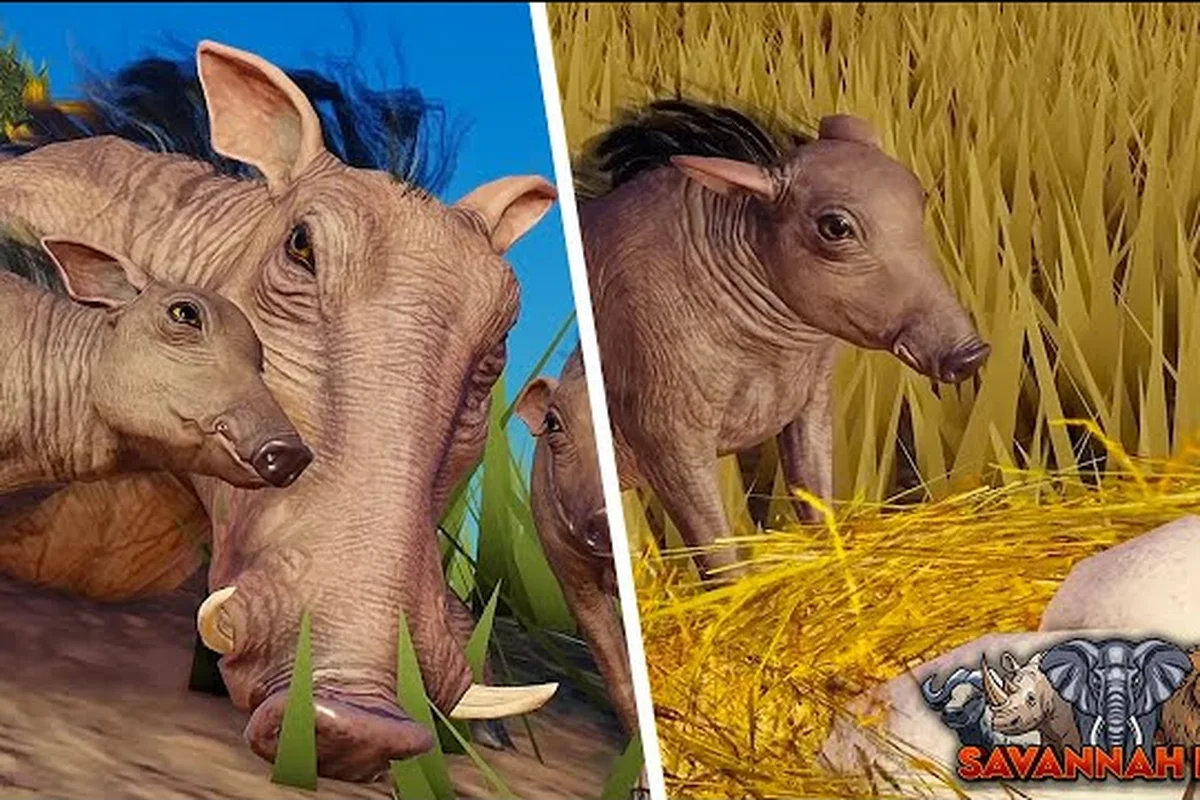
Savannah Life Burrow Locations: Safest Zones & Hiding Spots
Find the safest Savannah Life burrow locations for cubs, best hiding spots from predators, and exactly where lions spawn so your pack stays protected.