
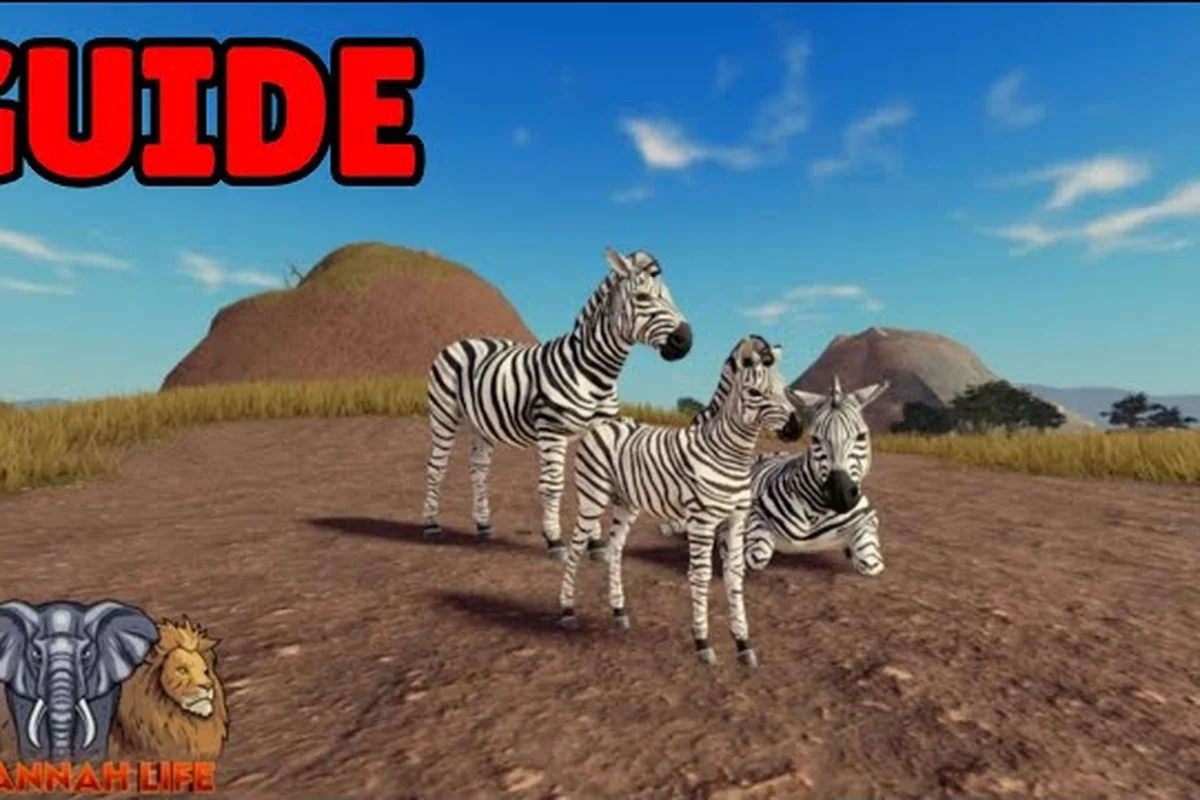
This Savannah Life Roblox guide is built for players spawning into NOYO Productions' animal survival sim for the very first time. It covers everything that matters before your first death: how to pick a starter animal that matches your goals, where the safest watering holes are, which controls to rebind before your first hunt, and how the stamina, hunger, and thirst bars decide whether you survive the savannah or feed it. Read it top to bottom for the complete beginner path, or jump straight to the section that matches the problem you are stuck on.
Getting Into Savannah Life for the First Time
Stepping into Savannah Life for the first time can feel overwhelming because the map is huge, the food chain is brutal, and the spawn screen dumps you straight into a 65-player server with no tutorial popup. This Savannah Life Roblox guide walks through the exact first ten minutes after you load in: which starter animal gives you the smoothest learning curve, where to find your first drink of water, and how to avoid the early-game mistakes that wipe out most new players. The animal survival sim by NOYO Productions has already cleared 204.6M+ visits and holds a 93.9% like ratio on the official Savannah Life game page, so the community has already mapped out which choices pay off and which ones send you back to the respawn screen.
Before you spawn, the single biggest decision is your starter animal. The free option is a small impala, and while it looks underwhelming next to the Robux-gated lions, elephants, and crocodiles, it teaches you movement, stamina, and predator awareness faster than anything else in the roster. Players who skip straight to a paid apex predator often die of thirst within two minutes because they never learned the basics of drinking and eating. Treat the impala as a training round, not a downgrade.
Choosing Your Starter Animal and Why It Matters
Your starter animal determines your early-game playstyle, your food source, and your vulnerability to ambush predators. The 21+ playable species in the roster fall into roughly four archetypes, and picking the right one for your goals is the foundation of every Savannah Life beginner guide worth reading.
| Archetype | Free Example | Robux Example | Strength | Weakness |
|---|---|---|---|---|
| Prey | Impala | Gazelle, Wildebeest | Fast stamina regen, easy to learn controls | Constantly hunted, low damage |
| Mid-tier Predator | Hyena | Jackal | Pack bonus, balanced offense | Loses duels to apex predators |
| Apex Predator | None free | Lion, Crocodile | One-shot kill potential on prey | Expensive, unforgiving stamina cost |
| Tank | None free | Elephant, Rhino | Massive health pool | Slow movement, hard to escape danger |
Most community-tested Savannah Life tips and tricks agree on the same progression path: start as an impala for at least one full life cycle, unlock the hyena tier with earned coins, and only then consider a Robux predator if you want the apex experience. Rushing to a lion without knowing the watering-hole locations is the fastest way to lose 80% of your health in the first ambush. The full breakdown of every animal's stats and growth curve lives on the NOYO Productions studio page, which lists the badge progression tied to each species.
The Impala Starter Strategy
The impala is the single most underrated animal in the roster because it is free and it forces you to learn survival mechanics instead of brute-forcing fights. Spend your first life doing three things: locate at least two watering holes, identify the tall grass patches that hide ambush predators, and practice the drink and eat inputs so they become muscle memory. The drink input is the one that catches new players the most, because you stop moving while drinking and become a sitting target.
Once you have the map layout down, respawn as a hyena. Hyenas unlock the pack mechanic, which gives you a damage bonus when another hyena is nearby, and they can take down small prey without spending Robux. The hyena is widely considered the best free mid-tier predator for the first 10 hours of play, according to community testing on the Fandom wiki.
Core Controls and Survival Mechanics
Every Savannah Life how to play breakdown starts with the control layout, because the game does not display a tutorial overlay and most of the bindings are tied to keyboard keys that conflict with Roblox's default movement scheme. You will need to rebind a few keys before your first serious hunt, and the rebind screen lives in the settings menu that opens with the Escape key.
| Input | Default Binding | What It Does |
|---|---|---|
| Move | WASD | Standard movement, consumes stamina when sprinting |
| Attack | Left Click | Bite / claw / horn depending on animal |
| Drink | R | Hold to drink from a watering hole, disables movement |
| Eat | F | Consume a corpse to restore hunger |
| Roar | Q | Marks territory and scares smaller prey, but drains stamina |
| Scent Toggle | C | Toggles scent trail visibility for group play |
The two inputs that matter most in the first five minutes are Drink and Eat. Hunger and thirst drain in real time, and if either bar hits zero, your animal collapses and you respawn as a fresh impala. Watering holes are the most contested resource on the map, so approach them from the tall grass and check the surroundings before you commit to the drink animation. The eat input is faster than the drink input and can be triggered mid-stride on small corpses, which makes it a useful emergency heal when you are wounded and far from water.
Stamina, Hunger, and Thirst Bar Management
Stamina is the resource that decides every fight, and it is the one that most new players burn through without realizing it. Sprinting drains stamina even when you are not in combat, and the bar takes roughly four seconds to refill from empty. If you sprint into a fight with no stamina reserve, you lose the first exchange and usually the entire engagement. The rule experienced players follow is simple: never enter a chase or a fight below 50% stamina.
Thirst drains faster than hunger during the day and slower at night, which means the savannah is most dangerous in the early afternoon when players are scrambling for water at the same time. Hunger drains faster after you take damage and faster when you are a large animal, which is why apex predators eat more often than prey. If you are playing a lion or an elephant, plan your hunts around the nearest prey herd so you can eat immediately after a kill instead of dragging a half-eaten corpse halfway across the map. A complete food and water priority table for the ambush and chase mechanics lives in this Savannah Life survival guide, which covers when to commit to a hunt and when to back off.
Building Coins, Unlocks, and the Family System
Coins are the soft currency that unlocks new animals, new skins, and the family tier that lets you group with other players. The base coin income is slow, but there are three reliable multipliers every beginner can stack on day one.
| Source | Base Reward | Multiplier | Net Coins |
|---|---|---|---|
| Kill a prey animal | 50 | x1.0 | 50 |
| Kill a prey animal with +10% group bonus | 50 | x1.10 | 55 |
| Daily login streak (7 days) | 100 | x1.0 | 100 |
| Complete a growth badge | 500 | x1.0 | 500 |
Joining the NOYO Productions community group on Roblox is the single highest-value move for new players, because the group grants a 500-coin welcome bonus plus a permanent +10% coin multiplier on every kill. That bonus stacks with daily login rewards and badge completions, so a player who has joined the group will out-earn an identical player who has not, every single session.
Forming a Pride or a Pack
The family system unlocks once you reach the adult growth stage of any social animal, and it lets you invite other players into a permanent group that shares territory, hunts together, and raises cubs. Lions form prides, hyenas form clans, and herbivores can form herds. The family mechanic is the only reliable way to take down an apex predator as a free-to-play player, because the pack bonus multiplies your damage when at least one family member is within range.
If you are running a free impala or hyena, join a family as soon as you unlock the invite input, because solo play past the mid-tier is brutal. The full invite flow, territory rules, and cub-raising mechanics are detailed in the Savannah Life family and pride guide, which walks through the exact steps to form your first group without server-hopping. Family play also unlocks a hidden scent-trailing mechanic that makes ambushes far more reliable, especially when coordinating a four-player hyena pack against a lone lion.
Common Mistakes That End Your First Life Early
New players lose their first animal in one of three ways, and every experienced player in the community has done all three at least once. The fastest way to internalize the survival loop is to recognize the failure patterns before they happen.
| Mistake | What Happens | How to Avoid |
|---|---|---|
| Sprinting to the first water hole you see | You arrive with empty stamina and get ambushed | Approach from tall grass at walk pace |
| Fighting an apex predator as a free impala | You take 80% damage in one hit and die | Run first, fight never, as prey |
| Ignoring the hunger bar while chasing prey | Your animal collapses mid-chase | Check the hunger bar before every pursuit |
| Drinking water in the open | You freeze during the drink animation and die | Hide in tall grass, drink, then move |
The single most common mistake is drinking in the open, because the drink animation locks your movement for roughly two seconds and any predator within line of sight will close the distance for a free kill. Always approach the watering hole from the side that has tall grass cover, and drink while facing the most likely ambush direction so you can break off the animation if a threat appears. This pattern is so common that the community has a name for it: the watering hole tax, and it is the first real lesson in every Savannah Life beginner guide worth reading.
Server Choice and Player Density
The default server is 65 players, and the player density directly affects how aggressive the food chain becomes. A full server means every watering hole is contested every minute, while a low-pop server means more room to hunt but slower badge progression because you need kills, not just survival. Most community-tested Savannah Life tips and tricks recommend playing during off-peak hours for your first three lives so you can learn the map without constant pressure, then switching to peak hours once you have unlocked a mid-tier predator.
Frequently Asked Questions
What is the best starter animal in Savannah Life?
The impala is the best starter animal for learning the game because it is free, fast, and forces you to master the drink, eat, and stamina mechanics. Players who rush to a paid apex predator without learning the map layout usually die within the first ten minutes. Treat the impala as a training run, then respawn as a hyena for the free mid-tier experience. The full free-to-play progression path is laid out in the Savannah Life gameplay walkthrough.
How do I join the NOYO Productions group for the coin bonus?
Search for "NOYO Productions" in the Roblox groups directory and click Join, then like the Savannah Life game page. The 500-coin welcome bonus and the permanent +10% coin multiplier apply on your next login. The group has over 1.2 million members and is the highest-value free action a new player can take in the first five minutes. The full bonus stack, including daily login and badge multipliers, is broken down in the Savannah Life coin earning guide.
Can I play Savannah Life without spending Robux?
Yes, the base game is free, and the free animal roster covers impala, hyena, and several mid-tier species that are enough to clear every badge tier. Optional Robux purchases unlock apex predators like lions, elephants, and crocodiles, plus cosmetic skins and a family slot expansion, but none of them are required to enjoy the full survival loop. Players who progress through the impala, hyena, and free mid-tier stages will eventually earn enough coins to test the paid animals on a trial basis.
How do I survive my first ambush in Savannah Life?
Run toward tall grass, break line of sight, and juke left or right once you are inside the grass patch. Apex predators lose their damage bonus when they cannot see you, and most will disengage after five seconds if you do not reappear. The chase and ambush mechanics, including the stamina math behind every encounter, are detailed in the Savannah Life ambush and chase breakdown.
What should I do after unlocking my first family?
Invite one or two players you have grouped with before, claim a watering hole territory together, and coordinate scent trails for ambush plays. Family play is the only reliable way to take down a paying apex predator as a free-to-play player, and it unlocks the cub-raising mechanic that gives long-term coin income. The exact invite flow, territory rules, and pride vs. clan vs. herd differences are covered in the Savannah Life family formation guide.