
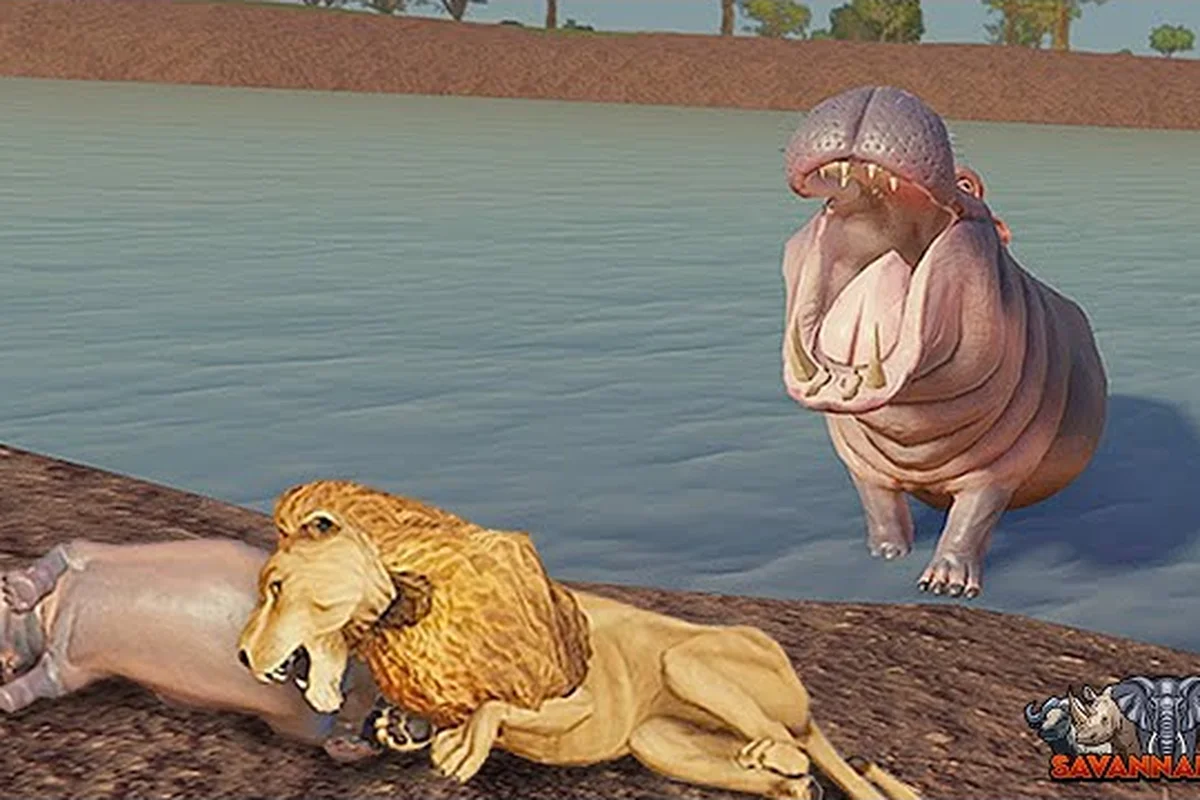
Every server in Savannah Life hums with simulated wildlife, and the savannah life npc animals are what turn a quiet plains walk into a chase, an ambush, or a free meal. Whether you spawn as a gazelle picking at grass or a cheetah stalking the treeline, the AI herds and predators around you decide whether you eat, flee, or respawn. This guide breaks down every category of NPC creature you will meet, how prey and predator behaviors differ, the practical ways to slip past a charging lion, and exactly what happens when death finally catches up with you. The predator escape badge sits at the top of the early-game trophy list, and understanding the underlying NPC rules is the fastest route to earning it.
Savannah Life NPC Animal Categories at a Glance
The world of Savannah Life is split between two broad NPC families: herbivore prey and carnivore predators. Each family follows a different AI loop, reacts to different stimuli, and drops different resources. According to the game's official Roblox page page, the ecosystem is intentionally designed so that prey herds graze across open plains while predators patrol overlapping territory, creating organic encounters for every player species.
| Category | Diet | Typical Behavior | Threat Level to Players | Resource Dropped |
|---|---|---|---|---|
| Herbivore Prey | Plants, grass | Graze in herds, flee from carnivores | Low (defensive only) | Meat when killed by predators |
| Carnivore Predator | Meat | Stalk, chase, ambush | High to extreme | Scavenge meat from prey kills |
| Scavenger | Carrion, leftovers | Investigate kill sites | Medium | Bonus meat for opportunistic feeders |
| Neutral NPC | N/A | Wander without aggression | None | None (ambient filler) |
Prey species dominate the plains by sheer numbers. Zebras, gazelles, wildebeest, and impala cluster in herds of three to seven NPCs, drifting between water sources. Predators are sparser but mobile: lions, leopards, cheetahs, hyenas, and crocodiles each occupy a different terrain niche, so a zebra is far more likely to be ambushed near a riverbank than on open grass.
A common mistake new players make is treating every NPC as hostile. Most savannah life npc prey are skittish rather than aggressive, and they will only attack if a predator-player gets too close while they are cornered. Reading the diet tag on each species saves you from unnecessary fights and helps you target the right animals for the right badges.
Herbivore Prey Behavior and Herd Dynamics
How Prey Herds React to Threats
Herbivore prey run on a flee-first AI. When a predator-type player (or another NPC predator) crosses a detection radius — roughly 25 to 40 studs depending on species — the closest herd member bolts, and the panic cascades outward. Community testing on the Savannah Life Wiki - Fandom reports that zebras react faster than wildebeest, while impala tend to freeze for half a second before scattering.
| Prey Species | Detection Radius | Flee Speed | Group Size | Preferred Terrain |
|---|---|---|---|---|
| Plains Zebra | ~35 studs | Fast | 4-6 | Open savannah |
| Gazelle | ~30 studs | Very fast | 3-5 | Short grass plains |
| Wildebeest | ~25 studs | Medium | 5-7 | Mixed brushland |
| Impala | ~28 studs | Fast | 3-4 | Tree line edges |
The herd panic system is the engine that drives most of the predator gameplay loop. When one animal flees, nearby carnivores lock onto the movement and give chase, which in turn pulls other herds into the chaos. Smart predator players use this cascade to trigger multiple kills from a single ambush, while prey players learn to break line of sight at the first tail-flick to avoid attracting the entire food chain.
What Prey Drop and How to Scavenge Them
Kills from any predator source — player, NPC, or environmental — leave a temporary meat pile on the ground. According to the Savannah Life - NOYO Productions official material, this meat is the primary hunger refill between full hunts and decays after about 90 seconds if untouched. Any carnivore player can claim it, which is why savannah life npc prey matter to predator mains just as much as to herbivore mains.
For a full breakdown of which predator species outrank others, the Savannah Life apex predator tier list compares the strongest hunters and their preferred ambush zones. Tier data pulled from that ranking confirms that lions dominate herd-kill scoring, while cheetahs excel at single-target takedowns of fleeing gazelles.
Predator AI: How Hunters Track and Strike
Patrol, Stalk, and Ambush Loops
Predator NPCs follow a three-phase behavior loop: patrol, stalk, and ambush. During patrol they wander a fixed territory, sniffing the air and scanning for movement. Once a prey NPC (or a prey-type player) crosses their detection cone, they switch to stalk — crouching, slowing down, and tracking from cover. The ambush phase triggers at close range, usually inside 10 to 15 studs, and ends with a charging lunge.
| Predator Species | Patrol Range | Stalk Trigger | Ambush Damage | Counter Difficulty |
|---|---|---|---|---|
| Lion | Wide (pride) | Movement at ~40 studs | Very high | Hard (coordinated pride) |
| Leopard | Medium (solo) | Sound or scent ~30 studs | High | Medium (stealthy) |
| Cheetah | Narrow (solo) | Visual ~45 studs | Medium | Medium (fast but fragile) |
| Hyena | Wide (pack) | Noise or kill site ~35 studs | Medium-high | Hard (relentless packs) |
| Crocodile | River only | Vibration ~20 studs | Extreme | Very hard (water ambush) |
Each predator fills a different combat niche. Lions operate in prides and coordinate on bigger prey; leopards work alone and prefer mid-sized targets; cheetahs burn stamina in short sprints; hyenas swarm wounded targets; and crocodiles hold river crossings for unavoidable bites. Understanding which predator patrols which biome is the foundation of escape planning.
Why Predators Ignore Some Players
One of the most useful mechanics is the species diet filter. A lion NPC will completely ignore a zebra player standing ten studs away because the diet filter classifies zebras as non-prey. Likewise, a cheetah will not stalk another cheetah. This filter is what makes mixed-species servers feel fair: each player only has to worry about a subset of the predator roster, not the entire roster at once. The Savannah Life predator escape badge and other survival badges all rely on this filter, so checking the species matchup table before engaging is a habit that pays off across the whole badge ladder.
How to Escape Predators and Earn the Predator Escape Badge
Core Escape Mechanics Every Player Should Know
Learning the practical side of savannah life how to escape predators is less about raw speed and more about breaking the AI's lock-on conditions. Predators break off a chase when their target leaves their detection radius, ducks behind heavy cover, enters water deeper than wading depth, or climbs a tree or rock formation they cannot follow. Memorize the four break conditions and you can shrug off most encounters:
-
Distance break: outrun the predator for 5+ seconds beyond their detection range.
-
Line-of-sight break: hide behind a baobab, rock, or termite mound for 3+ seconds.
-
Water break: wade into a river or lake deeper than your shoulder height.
-
Elevation break: climb a tree, ledge, or rock pillar the predator cannot path to.
Stamina management is the hidden multiplier behind every escape. Sprinting drains stamina fast, and once the bar empties you move at walking pace, which is too slow to outrun anything. Players reported on community threads that alternating a 2-second sprint with a 1-second walk is the most stamina-efficient chase pattern, and it works against every land predator in the game.
Building the Predator Escape Badge Run
The savannah life predator escape badge is awarded for surviving a fixed number of predator encounters in a single life without dying. Community data suggests the threshold is five successful escapes, though the developer has not published the exact number. Either way, the run is the same:
-
Spawn in or near predator territory (avoid the safe inner ring).
-
Deliberately trigger a predator's stalk phase so you know it has locked on.
-
Execute one of the four break conditions cleanly.
-
Reset your stamina, heal any chip damage, and repeat.
| Escape Step | Action | Common Mistake |
|---|---|---|
| 1. Trigger | Move into detection range on purpose | Forgetting to heal between triggers |
| 5. Break | Sprint to cover or water | Panicking into another predator's zone |
| 6. Reset | Eat, drink, regen stamina | Starting the next escape while still injured |
| 7. Repeat | Repeat 5 times | Dying on the last escape and losing the run |
This badge also feeds into the broader savannah life survival badges family, including the day survivor, night survivor, and storm survivor tiers. Each badge shares the same loop of staying alive under pressure, so the escape habit compounds across the whole progression tree.
What Happens When You Die in Savannah Life
Death, Respawn, and Lost Progress
Savannah life what happens when you die is one of the most-asked newcomer questions, and the answer is straightforward: you respawn at a random safe-zone spawn point, lose any unbanked meat or scavenged resources, and the death counter on the leaderboard ticks up. Your badges, unlocks, and family progress remain intact, so a death is inconvenient rather than catastrophic.
| Lost on Death | Kept on Death |
|---|---|
| Unbanked meat | Earned badges |
| Temporary buffs | Family / species choice |
| Stamina boost buffs | Unlock tokens |
| Active chase state | Server-shared progress |
According to community testing reported by the NOYO Productions YouTube channel, the respawn delay is roughly 5 to 8 seconds, and the new spawn point is always inside the inner safe ring, away from predator patrols. This means dying is actually a useful reset button when you are trapped in a bad spawn near a crocodile river or a lion pride's home turf.
How Death Ties Into the Predator Escape Badge Run
A death during an escape run wipes your escape streak. If you are chasing the savannah life predator escape badge and you die on escape number four, you have to start the counter over from zero on the next life. This is by design: the badge is meant to reward consistent awareness, not a single lucky sprint. Experienced players who chain the badge often bank partial progress by completing extra escapes in safe stretches so that one unlucky death does not erase the whole run.
For a wider lens on how all survival badges interconnect, the Savannah Life day and night survival cycle explains how predator density spikes at night and during blood moon events, which directly raises the death rate for unprepared players and is worth studying before any badge grind.
NPC Animal Cheat Sheet and Quick Reference
One-Page Field Reference
Below is a compact reference you can screenshot before heading into a new server. It condenses the most-asked NPC questions into a single table.
| Question | Short Answer |
|---|---|
| What do savannah life npc animals eat? | Herbivores eat grass; carnivores eat meat from kills. |
| Do NPCs attack each other? | Yes, predators hunt prey NPCs on their own AI loop. |
| Can NPCs starve? | Yes, herbivores leave an area if grass is depleted. |
| Do NPCs respawn? | Yes, herds respawn slowly after being culled. |
| Are there neutral NPCs? | Yes, small birds and insects are purely ambient. |
| Do NPCs drop badges directly? | No, badges come from player actions involving NPCs. |
Key Takeaways for New Players
The ecosystem in Savannah Life is layered but predictable once you learn the rules. Predators only target species on their diet list, prey herds panic in cascading waves, and every kill leaves a temporary meat pile that anyone can scavenge. Use the species matchup table to know who is hunting whom, lean on the four break conditions to escape cleanly, and treat every death as a free respawn at the safe ring rather than a setback. The predator escape badge is a marathon of small clean escapes, not a single heroic sprint, and the same habits carry forward into the day, night, and storm survivor tiers. With this reference loaded, the plains become less of a threat and more of a working ecosystem you can navigate with confidence.
Frequently Asked Questions
Do savannah life npc prey animals attack players?
No, herbivore prey species are skittish and prioritize fleeing. They will only retaliate if cornered with no escape route, and even then the damage is minimal compared to predator attacks. The real danger to a prey player comes from predator NPCs, not from other prey.
How many escapes do I need for the predator escape badge?
The exact threshold is not officially published, but community testing across multiple servers points to five clean escapes in a single life. The counter resets on death, so dying before the fifth escape forces you to start over on the next respawn.
Can predator NPCs see me through tall grass?
No, tall grass and dense bush clusters provide a line-of-sight break if you stay inside them for at least 3 seconds. Predators will lose their lock-on and return to patrol, which counts as a successful escape for the badge.
What is the best starter species for avoiding predators?
Zebra and wildebeest are widely considered the safest starter picks because they have wide detection radii and run in large herds, which spreads the predator's attention. Avoid cheetah as a first species since other cheetahs will not attack you but lions and hyenas will hunt you aggressively.
Do savannah life survival badges require a single life or can I bank progress across lives?
Each survival badge has its own rule, but the predator escape badge specifically requires escapes within a single life. Other badges like the day or night survivor tiers can be completed across multiple lives as long as the timer condition is met, so always read the badge description before starting a grind run.